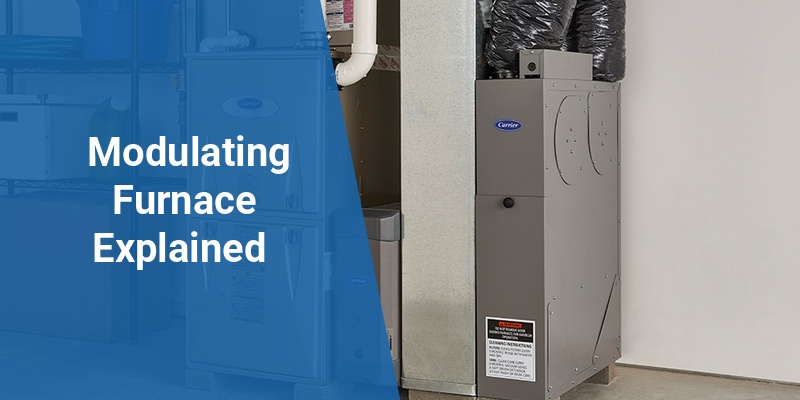
A modulating furnace represents a significant evolution in heating technology designed to improve comfort and energy efficiency in homes across America. Unlike traditional furnaces that operate at fixed heat output levels, modulating furnaces continuously adjust their flame and heat output to match the home’s exact heating needs. This precise control leads to consistent indoor temperatures, lower energy consumption, and reduced utility bills. This article explores the mechanics, benefits, and considerations of modulating furnaces, offering homeowners a comprehensive guide to this advanced heating solution.
| Aspect | Traditional Furnace | Modulating Furnace |
|---|---|---|
| Heat Output | Fixed High or Low | Continuously Adjustable |
| Temperature Control | On/Off Cycles; Fluctuates | Precise, Stable Temperature |
| Energy Efficiency | Lower Overall Efficiency | Up to 98% AFUE or Higher |
| Comfort Level | Less Even Heating | Consistent, Comfortable Warmth |
| Initial Cost | Lower | Higher |
What Is a Modulating Furnace?
A modulating furnace is a heating system that adjusts its output within a wide range to precisely match the heating demand of a home. It uses a special burner and advanced controls that can modulate flame size and heat output, unlike single-stage or two-stage furnaces that only operate at fixed levels. This modulation allows the furnace to run longer at lower capacities, providing more stable indoor temperatures and improved energy efficiency.
How Does a Modulating Furnace Work?
Modulating furnaces operate using a combination of sensors, a variable-speed blower, and a gas valve that can finely adjust the flame intensity. Here is the process:
- Thermostat Signal: The thermostat continuously monitors the temperature and informs the furnace how much heat is needed.
- Variable Gas Valve: The gas valve modulates the gas flow, controlling the size of the flame from about 40% to 100% capacity.
- Variable-Speed Blower Motor: The blower adjusts its speed to distribute the heated air evenly and quietly throughout the home.
- Continuous Operation: Different from traditional furnaces that cycle on and off, modulating furnaces operate almost continuously at partial capacity, ensuring consistent warmth.
Benefits of Installing a Modulating Furnace
Homeowners choosing modulating furnaces enjoy several advantages that make these systems a smart investment.
Enhanced Comfort
By maintaining a steady flame and airflow, modulating furnaces eliminate the temperature swings common with traditional systems. The gentle, continuous heat distribution leads to more even warmth and increased comfort.
Improved Energy Efficiency
Modulating furnaces can achieve efficiency ratings up to 98% AFUE (Annual Fuel Utilization Efficiency). This means more fuel is converted into useful heat, reducing waste and lowering energy bills.
Quieter Operation
Operating mostly at lower speeds, modulating furnaces run much quieter than single-stage furnaces, minimizing noise disturbances in the home.
Call 888-906-9139 for Free Local HVAC Quotes – No Obligation, Just Savings!
Reduced Wear and Tear
Fewer on/off cycles reduce mechanical stress on furnace components, contributing to longer equipment lifespan and reduced maintenance costs.
Key Components of a Modulating Furnace
| Component | Description | Role in Modulation |
|---|---|---|
| Variable Gas Valve | Controls the gas flow to the burner | Adjusts flame size smoothly for precise heating |
| Variable-Speed Blower Motor | Regulates airflow delivered to the home | Matches airflow to heat output for consistent temperature |
| Modulating Burner | Burner capable of operating at different flame intensities | Enables flexible heat output from 40% up to 100% |
| Advanced Thermostat/Control Board | Monitors temperature and controls system operation | Ensures precise modulation based on real-time heating needs |
Comparing Modulating Furnaces to Other Furnace Types
A clear understanding of how modulating furnaces stack up against traditional furnace types can help homeowners make informed decisions.
| Furnace Type | Operation | Energy Efficiency | Comfort Level | Typical Cost |
|---|---|---|---|---|
| Single-Stage Furnace | On/Off at full capacity | 78% – 85% AFUE | Less Even Temperature | Lower |
| Two-Stage Furnace | High or low setting | 80% – 90% AFUE | Improved Over Single-Stage | Moderate |
| Modulating Furnace | Continuously variable | Up to 98% AFUE or higher | Most Consistent and Comfortable | Higher |
Installation and Maintenance Considerations
Modulating furnaces, due to their advanced technology, typically require professional installation and ongoing maintenance:
- Professional Installation: Precision adjustments are crucial for optimal operation, so certified HVAC technicians should perform installation.
- Regular Maintenance: Routine inspections of gas valves, burners, and blower motors ensure long-term efficiency and safety.
- Compatibility: These furnaces often work best when paired with advanced thermostats designed to maximize modulation benefits.
- Upfront Investment: The initial cost may be higher, but energy savings often offset this over time.
Who Should Consider a Modulating Furnace?
While modulating furnaces provide many benefits, they are particularly suitable for:
- Homeowners aiming for maximum comfort and consistent indoor temperatures.
- Residences in colder climates where heating demands vary frequently.
- Those interested in reducing energy consumption and lowering utility bills.
- Modern homes equipped with zoning systems or smart thermostats.
- People planning to upgrade from older, less efficient heating systems.
Frequently Asked Questions About Modulating Furnaces
Do Modulating Furnaces Save Money on Energy Bills?
Yes: By operating at lower capacities and matching heat output to demand, modulating furnaces minimize wasted energy and lower monthly heating costs.
Are Modulating Furnaces Noisier Than Traditional Furnaces?
No: They generally operate more quietly because they run continuously at lower speeds rather than cycling on and off at full blast.
Can a Modulating Furnace Be Retrofitted into an Existing HVAC System?
In some cases, but the existing ductwork, thermostat, and blower motor must be compatible or upgraded to fully benefit from modulation capabilities.
Call 888-906-9139 for Free Local HVAC Quotes – No Obligation, Just Savings!
How Long Do Modulating Furnaces Typically Last?
With proper maintenance, these furnaces can last 15 to 20 years or more, similar to other high-quality furnace models.